
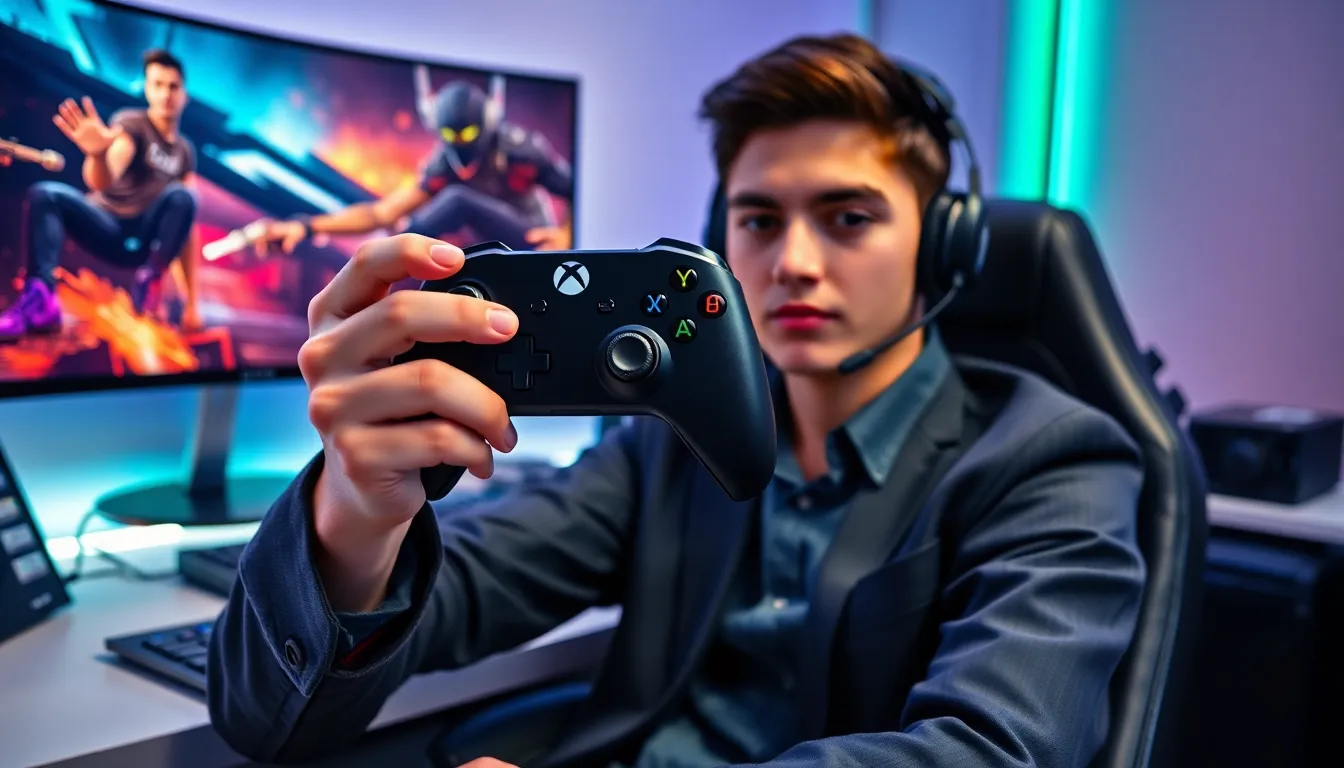
Xbox techniques separate casual players from skilled competitors. Whether someone plays first-person shooters, sports games, or action-adventure titles, the right skills make a measurable difference in performance. Many gamers spend hours playing without seeing real improvement. They repeat the same mistakes and wonder why their scores stay flat.
The problem isn’t practice time, it’s practice quality. Learning specific Xbox techniques helps players build muscle memory, sharpen reflexes, and gain competitive advantages. This guide covers essential methods to improve controller handling, reaction speed, movement strategies, and system settings. Each section provides actionable steps that players can apply immediately to their gaming sessions.
Table of Contents
ToggleKey Takeaways
- Mastering Xbox techniques like grip styles, button remapping, and paddle controllers gives players a measurable competitive edge.
- Reducing input lag through wired controllers, Game Mode on displays, and optimized settings can improve reaction times by 30-80ms.
- Lower sensitivity settings (4-6 on a 1-10 scale) help most players achieve better aiming precision than higher options.
- Advanced movement strategies like strafing, slide canceling, and corner peeking make players harder to hit while maintaining accuracy.
- Enabling 120Hz mode, VRR, and using wired ethernet connections optimizes Xbox performance for competitive play.
- Smart combat decisions—choosing favorable engagements and using audio cues—often matter more than raw mechanical skill.
Mastering Controller Handling and Button Layouts
The controller is the primary interface between a player and the game. How someone holds it affects every input they make. Most experienced players recommend a relaxed grip that keeps thumbs centered on the sticks and index fingers resting naturally on triggers.
Finding the Right Grip Style
Three main grip styles exist for Xbox controllers:
- Default grip: Thumbs on sticks, index fingers on triggers, middle fingers supporting the controller
- Claw grip: Index finger on face buttons, thumb on right stick, allowing simultaneous button presses and camera control
- Paddle controllers: Elite controllers or attachments add rear buttons, eliminating the need to remove thumbs from sticks
The claw grip takes weeks to feel natural, but it offers significant advantages in games requiring quick button combinations. Players who find it uncomfortable should consider investing in a controller with back paddles instead.
Customizing Button Layouts
Xbox techniques for button mapping vary by game genre. The Xbox Accessories app lets players remap any button to any input. Common remapping choices include:
- Moving jump to a bumper for shooters (keeps thumb on aim stick)
- Swapping crouch and melee positions
- Assigning reload to a paddle
Players should spend time in practice modes testing different layouts before committing to muscle memory. Changing layouts mid-season in a competitive game can hurt performance for days or weeks.
Improving Reaction Time and Precision
Fast reactions win gunfights and close plays. The good news: reaction time improves with targeted practice. The average human visual reaction time sits around 250 milliseconds, but trained gamers often hit 180-200ms consistently.
Training Reaction Speed
Several Xbox techniques help build faster reflexes:
- Warm-up routines: Playing aim trainers or practice modes for 10-15 minutes before competitive matches primes neural pathways
- Consistent sleep schedules: Studies show sleep-deprived players have reaction times 20-30% slower than rested ones
- Reduced input lag: Wired controllers eliminate Bluetooth delay, shaving off 5-10ms
Players should also check their TV or monitor settings. Game Mode on most displays reduces input lag from 50-100ms down to 10-20ms. This single change makes a noticeable difference.
Building Aiming Precision
Precision comes from sensitivity settings and practice. Many pro players use lower sensitivity settings than beginners expect, around 4-6 on a 1-10 scale for shooters. Lower sensitivity allows finer adjustments, while higher settings suit games requiring fast 180-degree turns.
Xbox techniques for aim improvement include:
- Starting at low sensitivity and increasing gradually over weeks
- Practicing tracking moving targets rather than just flicking to stationary ones
- Using aim assist settings strategically (most competitive games allow it)
- Recording gameplay and reviewing missed shots to identify patterns
Dead zone settings also matter. Reducing stick dead zones makes controllers more responsive but can cause drift on worn sticks. Players should find the lowest dead zone setting that doesn’t cause unintended movement.
Advanced Movement and Combat Strategies
Movement defines skill gaps in most competitive games. A player who moves predictably becomes an easy target. Advanced Xbox techniques focus on unpredictability and efficiency.
Movement Fundamentals
Strong movement habits include:
- Strafing while shooting: Moving side-to-side makes players harder to hit without sacrificing their own accuracy
- Jump and crouch combinations: Breaking up vertical position disrupts enemy aim tracking
- Slide canceling: In games that allow it, canceling slides at specific frames maintains momentum while keeping weapons ready
- Corner peeking: Exposing minimal body while checking angles reduces risk
Players should practice these Xbox techniques until they become automatic. Thinking about movement mid-fight splits attention and slows reactions.
Combat Decision Making
Mechanical skill matters less than positioning and timing. Smart players:
- Take fights with advantages (better position, more health, superior weapons)
- Disengage from losing fights instead of committing to deaths
- Use audio cues to track enemy positions before visual confirmation
- Coordinate with teammates through callouts and pings
Many games reward patience over aggression. Players who rush every engagement often have lower win rates than those who pick their moments carefully. Learning map layouts and spawn patterns gives significant advantages in objective-based modes.
Optimizing Your Xbox Settings for Better Performance
System settings affect gameplay more than many players realize. Xbox techniques extend beyond controller skills to hardware optimization.
Display and Video Settings
For competitive play, prioritize frame rate over visual quality:
- Enable 120Hz mode on compatible displays for smoother motion
- Turn off motion blur and film grain effects
- Reduce field of view if frame rate drops occur (higher FOV requires more processing)
- Use Performance mode over Quality mode in games offering the choice
Xbox Series X and S support Variable Refresh Rate (VRR) and Auto Low Latency Mode (ALLM). These features reduce screen tearing and input lag automatically on compatible TVs.
Audio Configuration
Sound provides critical information. Players should:
- Use headphones for directional audio
- Enable Windows Sonic or Dolby Atmos for spatial sound processing
- Reduce music volume in games to hear footsteps and ability cues
- Test different audio presets to find one that emphasizes important frequencies
Network Optimization
Online performance depends on connection quality. Wired ethernet connections provide lower latency and more stability than Wi-Fi. Players experiencing lag should:
- Check their NAT type (Open is ideal)
- Enable Quality of Service on their router to prioritize gaming traffic
- Close background applications and downloads during play sessions
- Consider their distance from game servers when choosing playlists


