
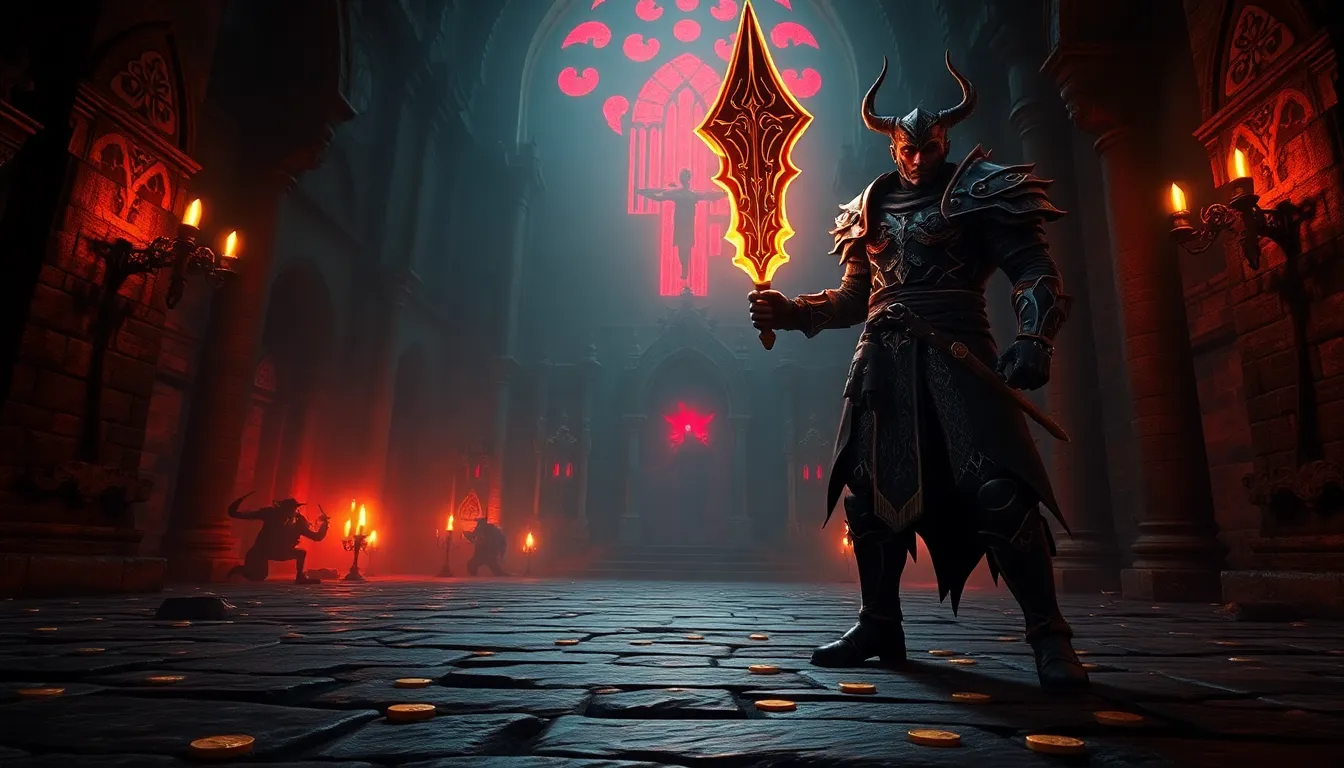
What is Diablo? It’s a question that has sparked countless late-night gaming sessions since 1996. Diablo is an action role-playing game (RPG) series developed by Blizzard Entertainment. The franchise drops players into a dark fantasy world where they battle demons, collect loot, and level up powerful characters. With millions of copies sold worldwide, Diablo helped define the action RPG genre and continues to attract new fans with each release. This guide covers everything players need to know about Diablo, from its origins to its lasting impact on gaming.
Table of Contents
ToggleKey Takeaways
- Diablo is an action RPG series by Blizzard Entertainment that launched in 1996 and helped define the loot-driven dungeon-crawling genre.
- The franchise spans four main games—Diablo (1996), Diablo II (2000), Diablo III (2012), and Diablo IV (2023)—each expanding on core gameplay mechanics.
- Core Diablo gameplay revolves around choosing character classes, battling demons in real-time combat, and hunting for randomized loot with varying rarity tiers.
- The series takes place in Sanctuary, a dark fantasy world where humanity is caught in an eternal war between Heaven and Hell.
- Diablo’s accessible yet deep gameplay, multiplayer features, and endless replayability explain why it remains a gaming phenomenon nearly three decades later.
Origins and History of the Diablo Franchise
Blizzard North created the original Diablo game in 1996. The studio, originally called Condor Games, designed a gothic horror experience that stood apart from other RPGs of the era. Players explored the town of Tristram and descended into a 16-level dungeon beneath the local cathedral.
The game introduced several features that became genre staples. Real-time combat replaced turn-based systems. Randomized dungeons kept each playthrough fresh. And the addictive loot system had players constantly chasing better gear.
Diablo sold over 2.5 million copies by 1998, making it one of the best-selling PC games of its time. Blizzard released Diablo II in 2000, which expanded the scope dramatically. This sequel took players across multiple acts and environments. It also introduced the iconic skill tree system that countless games have copied since.
The franchise went quiet for over a decade after Diablo II: Lord of Destruction launched in 2001. Blizzard finally released Diablo III in 2012, which broke sales records by moving 3.5 million copies in its first 24 hours. The game received a major overhaul with its Reaper of Souls expansion in 2014.
Diablo IV arrived in June 2023, bringing the series to a new generation of players. This latest entry returned to the franchise’s darker roots while adding open-world exploration and live-service elements.
Core Gameplay Elements That Define Diablo
Diablo games share several core mechanics that define the experience. Understanding these elements helps explain why the series remains popular after nearly three decades.
Character Classes and Progression
Each Diablo game offers distinct character classes with unique abilities. Players might choose a Barbarian who smashes enemies with brute strength or a Sorceress who casts devastating spells. Classes in Diablo encourage different playstyles and reward experimentation.
Characters gain experience points by defeating enemies. Leveling up unlocks new skills and increases base stats. This progression system creates a satisfying loop where players constantly grow stronger.
The Loot System
Diablo popularized the “loot grind” that defines modern action RPGs. Enemies drop randomized weapons, armor, and accessories. Items come in different rarity tiers, common, magic, rare, legendary, and unique.
Players spend hours hunting for that perfect piece of gear. A single item drop can transform a character’s effectiveness. This random reward system triggers the same psychological response as slot machines, keeping players engaged for hundreds of hours.
Combat and Difficulty
Combat in Diablo feels fast and impactful. Players mow down hordes of demons using a combination of basic attacks and special abilities. The games balance power fantasy with genuine challenge.
Difficulty settings scale enemy health and damage while increasing loot quality. Hardcore mode adds permanent death, raising the stakes considerably. These options let players customize their experience based on skill level and preferred challenge.
Main Entries in the Diablo Series
The Diablo series includes four main entries and several expansions. Here’s a quick breakdown of each game:
Diablo (1996) – The original game established the formula. Players chose from three classes: Warrior, Rogue, or Sorcerer. The entire game took place in and around Tristram.
Diablo II (2000) – Often considered the series peak, Diablo II expanded everything. Seven classes became available with the expansion. Four acts sent players across deserts, jungles, and hellish landscapes.
Diablo III (2012) – This entry modernized the series with improved graphics and streamlined systems. The auction house controversy led to major changes post-launch. The Reaper of Souls expansion addressed most criticism and revitalized the game.
Diablo IV (2023) – The latest Diablo game features an open world, seasonal content, and a return to darker themes. Five classes launched with the base game: Barbarian, Sorceress, Rogue, Necromancer, and Druid.
Blizzard also released Diablo Immortal in 2022, a free-to-play mobile game developed with NetEase. While controversial for its monetization, Diablo Immortal introduced the franchise to mobile platforms.
The Dark Fantasy World of Sanctuary
Diablo takes place in Sanctuary, a dark fantasy world caught between Heaven and Hell. This setting provides the backdrop for the series’ gothic atmosphere and demon-slaying action.
Sanctuary was created by rogue angels and demons who grew tired of their eternal war. Humans descended from these beings, inheriting traces of both angelic and demonic power. This origin explains why humanity plays such a crucial role in the cosmic conflict.
The Prime Evils serve as the main antagonists across Diablo games. Diablo, the Lord of Terror, leads these demons alongside his brothers Mephisto and Baal. Lesser Evils like Belial and Azmodan also threaten humanity throughout the series.
Locations in Diablo range from medieval villages to burning hells. Players explore crypts, dungeons, cathedrals, and demonic fortresses. The art direction consistently delivers a grim, atmospheric experience.
The lore runs deep for players who want to engage with it. Books, cinematics, and in-game documents flesh out thousands of years of history. But, Diablo never forces this narrative on players who just want to slay demons and collect loot.
Why Diablo Remains a Gaming Phenomenon
Diablo has influenced countless games since 1996. The term “Diablo clone” describes an entire subgenre of action RPGs. Games like Path of Exile, Torchlight, and Grim Dawn owe their existence to Blizzard’s creation.
Several factors explain Diablo’s lasting appeal:
Accessible Yet Deep – New players can jump in and have fun immediately. But mastering builds, understanding item affixes, and optimizing character performance takes hundreds of hours.
Social Features – Multiplayer has always been central to Diablo. Players team up with friends, trade items, and compete on leaderboards. These social hooks extend the game’s lifespan significantly.
Replayability – Randomized dungeons, multiple classes, and difficulty scaling mean Diablo offers nearly endless content. Many players have logged thousands of hours across the series.
Satisfying Feedback – Combat feels punchy and rewarding. Enemies explode in showers of gold and loot. Visual and audio design makes every kill satisfying.
Diablo IV’s live-service model ensures the franchise will continue receiving new content for years. Seasonal updates, expansions, and events keep the community engaged long after launch.


