
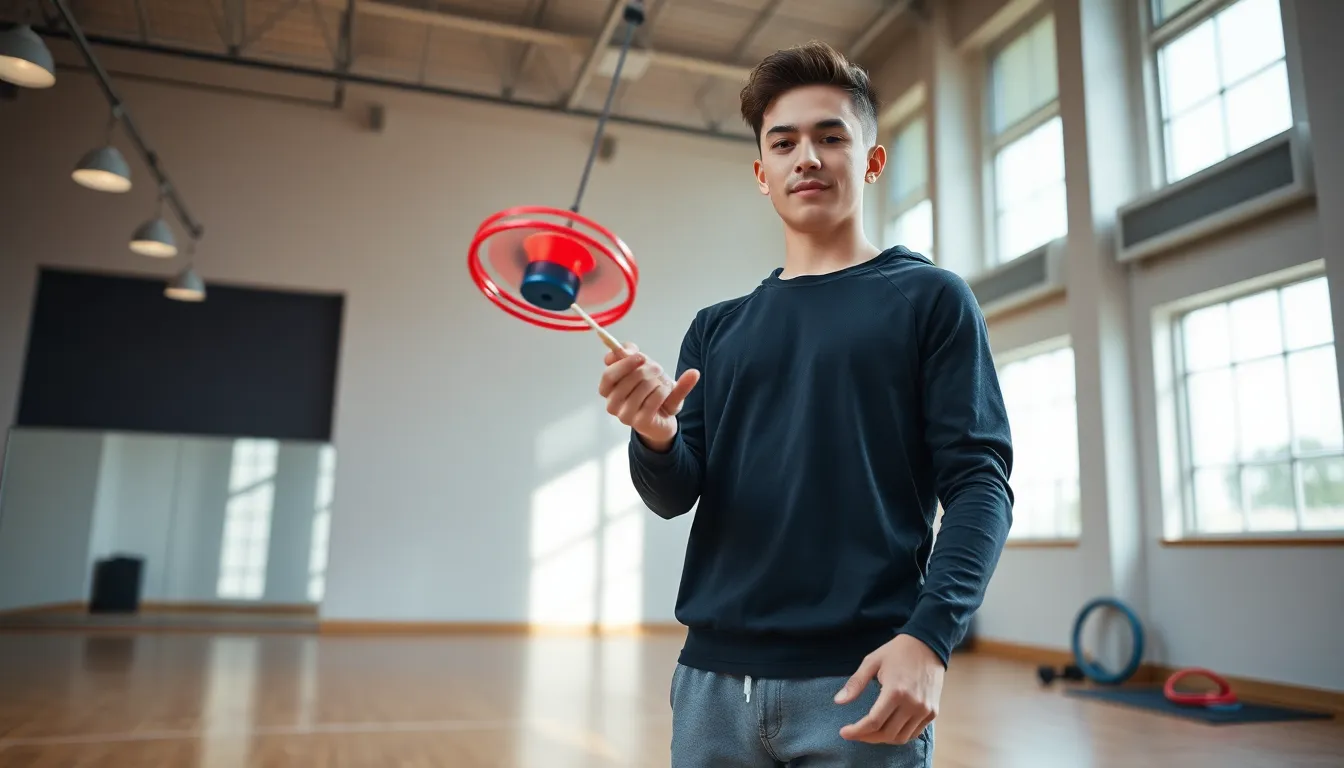
Diablo techniques transform a simple spinning top into a mesmerizing display of skill and coordination. The Chinese yo-yo, also called the diabolo, has entertained audiences for centuries. Today, performers and hobbyists worldwide practice this art form to develop impressive tricks and routines.
Learning diablo techniques requires patience, practice, and proper form. Beginners start with basic spins and tosses. Intermediate players add wraps, grinds, and acceleration moves. Advanced performers execute high throws, multiple diabolos, and complex combinations. This guide covers essential diablo techniques at every skill level, plus practical tips to accelerate your progress.
Table of Contents
ToggleKey Takeaways
- Diablo techniques progress through three skill levels: basic spins and tosses, intermediate wraps and accelerations, and advanced high throws with multiple diabolos.
- Master the power pull first—using one dominant hand to generate spin—as it forms the foundation for all other diablo techniques.
- Intermediate tricks like the trapeze, whip catch, and Chinese acceleration build on fundamentals and open doors to complex combinations.
- Short daily practice sessions of 15 minutes build muscle memory faster than longer, less frequent training.
- Record your practice sessions to identify mistakes and compare your form to tutorials for faster improvement.
- Match your equipment to your skill level—beginner diabolos catch more easily, while advanced models spin longer but demand better technique.
Basic Diablo Techniques for Beginners
Every diablo player starts with the fundamentals. These basic diablo techniques build the foundation for everything that follows.
The Starting Position
Place the diabolo on the ground to your right side (if right-handed). Hold one handstick in each hand with a relaxed grip. The string should drape under the diabolo’s axle. Keep your dominant hand slightly higher than the other.
The Power Pull
The power pull generates spin. Pull your dominant hand up and across your body while keeping the other hand relatively still. This motion transfers energy to the diabolo. Repeat this pull in a rhythmic pattern. More spin means better stability.
Many beginners make the mistake of moving both hands equally. Focus on one dominant hand doing most of the work. The other hand acts as a pivot point.
The Basic Toss
Once you maintain a steady spin, try your first toss. Pull both handsticks apart quickly to launch the diabolo straight up. Watch the diabolo closely. Position the string underneath it as it falls. Catch it on the center of the string.
Start with low tosses, about one foot high. This gives you time to position the string correctly. Gradually increase the height as your confidence grows.
The Sun
The sun is often the first trick beginners learn. Swing the spinning diabolo in a vertical circle around one handstick. The motion looks like the diabolo is orbiting the stick. Keep the spin going throughout the rotation by continuing your power pulls between each sun.
Intermediate Tricks to Expand Your Skills
Intermediate diablo techniques introduce string manipulation and more dynamic movements. These tricks require consistent spin control from your basic practice.
The Trapeze
The trapeze wraps the string around the diabolo once. Start with a good spin. Swing the diabolo toward your non-dominant side while lifting that handstick. The string wraps over the axle. The diabolo now sits on a doubled string. Exit by reversing the motion.
This trick opens up countless variations. Many advanced diablo techniques use trapeze as a starting or transition point.
The Whip Catch
Instead of catching the diabolo on a taut string, let one end of the string go slack. Whip that slack portion under the falling diabolo. The timing feels awkward at first. Practice makes it second nature.
Whip catches add visual flair to any routine. They also demonstrate strong diabolo control to audiences.
Accelerations
Accelerations add spin without using the basic power pull. Wrap the string around the axle multiple times. Then unwrap it quickly by pulling your hands apart. Each wrap-and-pull cycle increases rotation speed significantly.
The Chinese acceleration wraps the string by swinging the diabolo in a specific pattern. Learning this technique takes practice but pays off with incredibly fast spins.
Grinding
Grinding involves rolling the diabolo along the string or handstick. Tilt the string to create a slope. The spinning diabolo travels up or down this slope. Grinds work best with high spin speeds and smooth equipment.
Advanced Diablo Techniques for Experienced Players
Advanced diablo techniques push the boundaries of what’s possible with this prop. These moves require years of dedicated practice and excellent fundamental skills.
High Throws
Professional performers throw diabolos 30 feet or higher. High throws demand precise technique. The release angle, string tension, and timing must align perfectly. A slight error sends the diabolo off course.
Practice high throws in open areas with soft ground. Start at moderate heights and work up gradually. Track the diabolo with your eyes throughout its flight.
Multiple Diabolos
Two-diabolo and three-diabolo juggling represents a major skill jump. The player keeps multiple diabolos spinning on a single string. Each diabolo requires individual attention while maintaining the overall pattern.
Start with two low diabolos. Learn the shuffle, a pattern that keeps both spinning. Add tosses once the shuffle feels comfortable. Three diabolos follows similar principles but demands faster hands and sharper focus.
Vertax (Vertical Axis)
Vertax diablo techniques spin the diabolo on a vertical axis instead of the traditional horizontal orientation. The diabolo stands upright on the string. This position enables unique tricks impossible in regular orientation.
Learning vertax feels like starting over. The physics change completely. Dedicated practitioners spend months developing vertax fundamentals before attempting advanced variations.
Body Wraps and Releases
Advanced performers wrap the string around their legs, arms, and torso during routines. These body wraps create visual complexity and demonstrate total control. Releases involve letting go of one or both handsticks during a trick.
Tips for Practicing and Improving Your Diablo Skills
Consistent practice separates casual players from skilled performers. These tips help you maximize your training time.
Practice Daily
Short daily sessions beat long weekly ones. Fifteen minutes every day builds muscle memory faster than two hours on weekends. Your body learns through repetition. Frequent practice reinforces those neural pathways.
Record Your Sessions
Video recording reveals mistakes you can’t feel. Watch your form. Notice where your timing breaks down. Compare your technique to tutorial videos. This feedback loop accelerates improvement dramatically.
Break Tricks into Parts
Complex diablo techniques combine multiple simple movements. Isolate each component. Master them separately. Then combine them step by step. Rushing to the full trick usually creates bad habits.
Choose the Right Equipment
Beginner diabolos differ from performance models. Entry-level diabolos spin slower but catch more easily. Advanced diabolos spin longer but require better technique. Match your equipment to your current skill level.
String material matters too. Cotton strings grip well for beginners. Nylon and Dyneema strings reduce friction for advanced techniques.
Join a Community
Online forums and local juggling clubs connect you with other practitioners. Experienced players share tips and encouragement. Watching others perform inspires new ideas for your own practice. The diablo community welcomes newcomers warmly.


