
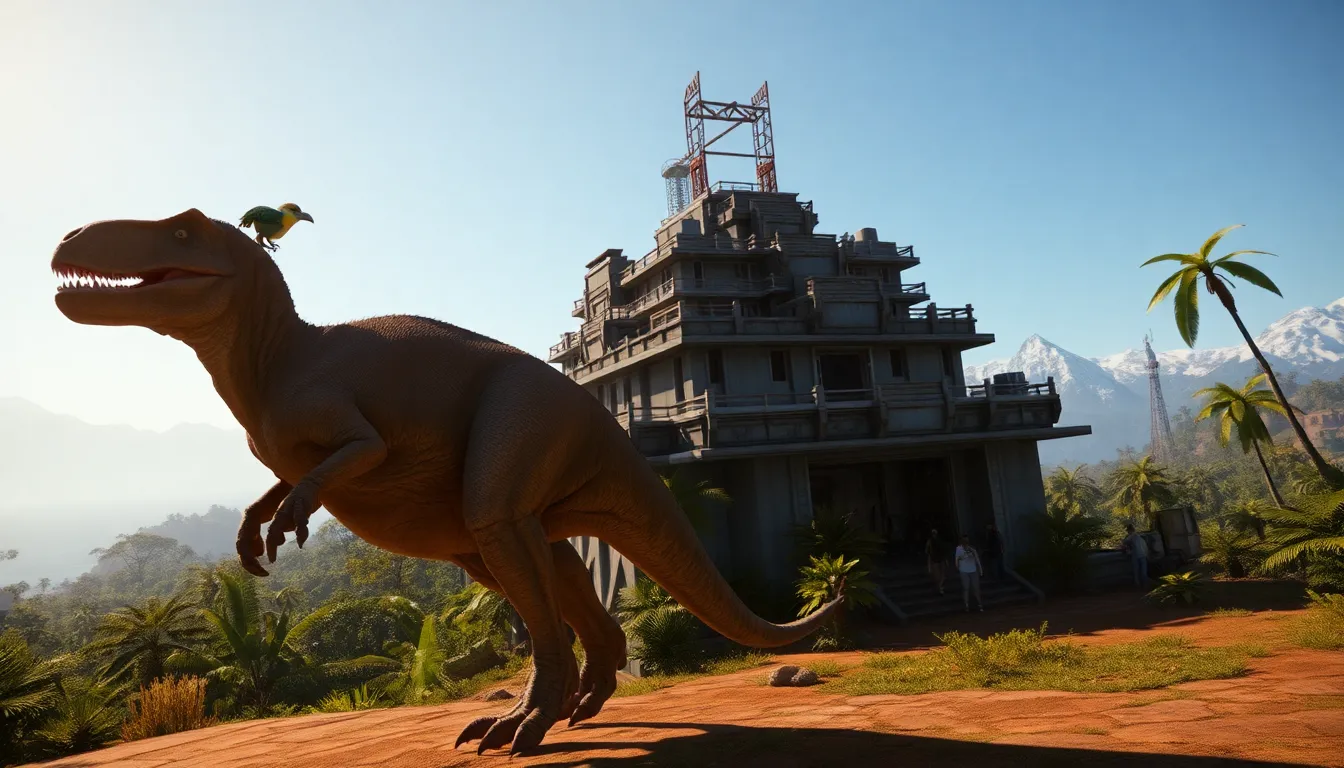
Ark: Survival Evolved examples reveal why this survival game continues to captivate millions of players worldwide. Since its 2017 release, Ark has built a massive community around dinosaur taming, base building, and multiplayer chaos. The game drops players onto mysterious islands filled with prehistoric creatures, hostile environments, and endless possibilities. Whether someone is a newcomer or a veteran survivor, these Ark: Survival Evolved examples demonstrate the depth and variety that make this title stand out. From breeding perfect dinosaur lineages to constructing impenetrable fortresses, players have discovered countless creative approaches to survival. This guide breaks down the best examples across taming, building, exploration, and PvP gameplay.
Table of Contents
ToggleKey Takeaways
- Ark: Survival Evolved examples span taming, breeding, base building, exploration, and PvP—showcasing the game’s incredible depth and variety.
- Taming over 100 creatures like the Rex, Argentavis, and Ankylosaurus unlocks combat power, transport, and efficient resource gathering.
- Breeding dinosaurs creates “super dinos” with inherited stats and rare color mutations that hold significant trade value on servers.
- Base building evolves from simple thatch huts to fortified metal compounds with turrets, honeycomb walls, and hidden rooms for defense.
- Multiple maps including The Island, Scorched Earth, Aberration, and Genesis offer unique biomes, creatures, and survival challenges to explore.
- PvP gameplay involves organized tribe roles, raid strategies like soaking and FOB construction, and alliance politics that shape server dominance.
Taming and Breeding Dinosaur Examples
Taming dinosaurs sits at the heart of Ark: Survival Evolved. Players can capture and train over 100 different creatures, each with unique abilities and uses.
Popular Taming Examples
The Rex remains a top choice for combat-focused players. A high-level Rex can deal massive damage during boss fights and base raids. Players typically use raw mutton or kibble to speed up the taming process.
The Argentavis serves as an excellent early-game transport dino. It carries significant weight and can grab smaller creatures. Many players consider the Argy their first major milestone tame.
Ankylosaurus examples show the importance of resource-gathering dinos. This creature harvests metal efficiently, making it essential for late-game progression.
Breeding Examples
Breeding opens up genetic possibilities. Players combine two tamed dinos to produce offspring with inherited stats. The goal? Create “super dinos” with maximum stats in health, damage, and stamina.
Color mutations add another layer. Some Ark: Survival Evolved examples showcase bright pink Rexes or neon green Pteranodons. These rare mutations occur randomly during breeding and carry significant trade value on servers.
Imprinting during the baby phase boosts the creature’s stats further. A fully imprinted dino gains a 30% damage and resistance bonus when ridden by its imprinter. This mechanic rewards dedicated players who invest time into raising their creatures.
Base Building and Defense Examples
Base building in Ark: Survival Evolved ranges from simple wooden huts to massive metal compounds. Players must balance resource costs, defensive capabilities, and practical functionality.
Basic Base Examples
New players often start with thatch structures. These provide minimal protection but cost few resources. A 2×2 thatch hut with a storage box represents a typical beginner setup.
Wood bases offer the next tier. They resist more damage and look better. Many Ark: Survival Evolved examples feature wooden watchtowers positioned near beaches for easy access to water and basic resources.
Advanced Defense Examples
Metal bases dominate the late game. A well-designed metal compound includes:
- Multiple layers of walls
- Turret towers at key angles
- Honeycomb structures to absorb explosives
- Hidden rooms for valuable items
Auto turrets provide automated defense. Players fill them with ammunition, and they fire at hostile players or wild dinos. Strategic turret placement can determine whether a base survives a raid.
Plant Species X offers an organic defense option. These plants shoot projectiles at enemies and slow their movement. They’re cheaper than turrets but require water and fertilizer.
Some creative Ark: Survival Evolved examples include underwater bases. Building on ocean platforms or inside underwater caves provides natural protection since raiders need specific gear to attack.
Exploration and Map Examples
Ark features multiple official maps, each offering distinct environments and challenges. Players can spend hundreds of hours exploring caves, underwater zones, and unique biomes.
Map Examples
The Island serves as the original Ark: Survival Evolved experience. It features diverse biomes including beaches, jungles, swamps, and snow-covered mountains. Three boss arenas test player progression.
Scorched Earth introduced desert survival. Players face extreme heat, electrical storms, and new creatures like the Wyvern. Water management becomes critical on this map.
Aberration takes place underground. Bioluminescent zones replace sunlight, and players must manage radiation exposure in certain areas. The Rock Drake and Reaper creatures are exclusive to this map.
Genesis added mission-based gameplay. Players complete objectives for rewards rather than just surviving. This map introduced the Magmasaur and Bloodstalker.
Cave Examples
Caves contain valuable artifacts needed for boss fights. Each cave presents unique challenges:
- The Swamp Cave features dangerous insects and toxic gas
- The Snow Cave tests players with extreme cold and aggressive Yetis
- The Lava Cave requires heat protection and careful maneuvering
Underwater caves offer some of the best loot in Ark: Survival Evolved. Examples include the South East Cave, which contains high-quality blueprints. Players need scuba gear or tamed aquatic mounts to access these locations.
PvP and Tribe Gameplay Examples
Multiplayer transforms Ark: Survival Evolved into a competitive survival experience. Tribes form alliances, wage wars, and compete for server dominance.
Tribe Structure Examples
Successful tribes assign roles to members. Common positions include:
- Breeders who manage dinosaur genetics
- Farmers who gather resources
- Builders who design and construct bases
- Raiders who specialize in attacking enemy compounds
Large tribes on official servers can number over 50 active players. They coordinate through Discord and maintain 24-hour base defense schedules.
PvP Combat Examples
Raids represent peak PvP action. Attacking tribes use explosive weapons, rocket launchers, and tamed creatures to breach enemy defenses.
Soaking involves sending tanky dinos to absorb turret fire. A heavily bred Stegosaurus or Carbonemys can drain thousands of bullets while raiders prepare their assault.
FOB construction (Forward Operating Base) allows raiders to establish temporary bases near their target. These small outposts store extra supplies and provide respawn points during extended raids.
Smaller-scale PvP happens during resource runs. Players ambush others at metal spawns or rare resource locations. The Pteranodon and Griffin excel at quick attack-and-retreat maneuvers in these Ark: Survival Evolved examples.
Alliance politics also shape server dynamics. Tribes negotiate treaties, share breeding lines, and coordinate against common enemies. Betrayals and backstabs create memorable stories within the community.


