
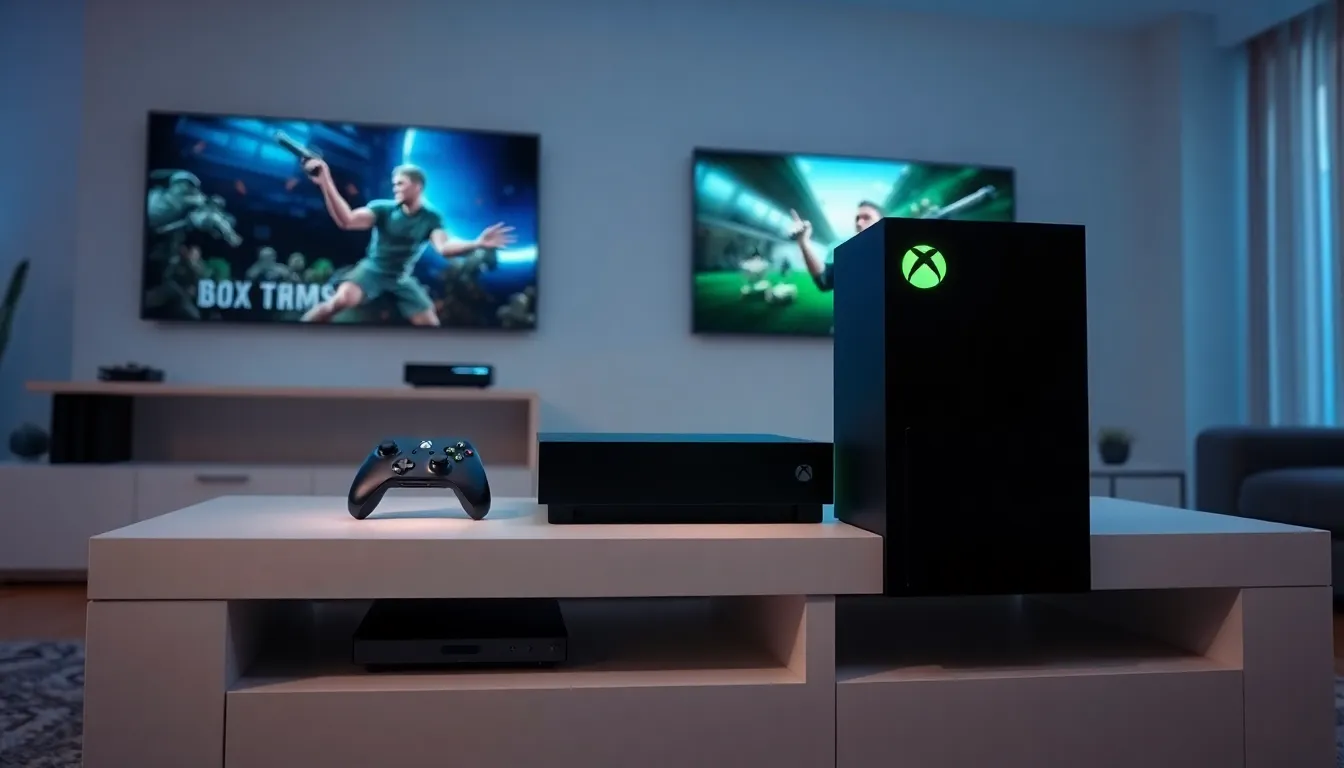
What is Xbox? It’s Microsoft’s flagship gaming brand, covering consoles, games, and digital services. Since its launch in 2001, Xbox has become one of the biggest names in gaming. The platform competes directly with Sony’s PlayStation and Nintendo’s Switch. Today, Xbox offers more than just hardware. It provides a complete ecosystem that includes Game Pass subscriptions, cloud gaming, and a massive library of exclusive titles. This guide covers everything players need to know about Xbox, from its history to its current offerings.
Table of Contents
ToggleKey Takeaways
- Xbox is Microsoft’s gaming brand that includes consoles, digital services, and Game Pass subscriptions, competing with PlayStation and Nintendo.
- Since launching in 2001, Xbox has evolved through four console generations, with the current Xbox Series X|S offering 4K gaming and backward compatibility.
- Xbox Game Pass works like Netflix for games, giving subscribers access to hundreds of titles including all first-party releases on day one.
- Xbox Cloud Gaming allows players to stream games on phones, tablets, and browsers without downloading or owning a console.
- Microsoft’s acquisitions of Bethesda and Activision Blizzard added major franchises like Call of Duty, Elder Scrolls, and Fallout to Xbox’s lineup.
- Xbox’s Play Anywhere program lets players buy a game once and play it on both Xbox consoles and Windows PCs.
The History and Evolution of Xbox
Microsoft entered the gaming market in November 2001 with the original Xbox. The company wanted to compete with Sony’s PlayStation 2, which dominated the industry at the time. The original Xbox introduced features that changed console gaming forever.
Halo: Combat Evolved launched alongside the first Xbox. This game became a cultural phenomenon and established Xbox as a serious competitor. The console also featured a built-in hard drive and an Ethernet port for online play, both firsts for a major gaming console.
Xbox Live launched in 2002. This online service let players compete against each other over the internet. It required a broadband connection and a monthly subscription. Xbox Live set the standard for online console gaming and remains active today.
The Xbox 360 arrived in 2005. It beat the PlayStation 3 to market by a full year. Microsoft focused on online features and downloadable content. The Xbox 360 sold over 84 million units worldwide. It faced hardware issues early on, including the infamous “Red Ring of Death,” but Microsoft extended warranties and fixed the problem.
Microsoft launched the Xbox One in 2013. The company initially focused on entertainment features beyond gaming. This approach confused consumers, and Sony’s PlayStation 4 took an early lead. Microsoft eventually refocused on games and recovered sales.
The current generation began in 2020 with Xbox Series X and Series S. These consoles offer faster load times, better graphics, and backward compatibility with older Xbox games. Microsoft has continued expanding Xbox beyond consoles into PC gaming and cloud streaming.
Xbox Console Generations Explained
Xbox has released four main console generations. Each generation brought significant improvements in performance and features.
Original Xbox (2001-2005)
The first Xbox used a custom Intel processor and NVIDIA graphics chip. It supported games at 480p and 720p resolutions. The console included a controller with a built-in memory card slot. Microsoft sold approximately 24 million units.
Xbox 360 (2005-2016)
The Xbox 360 introduced HD gaming to the Xbox brand. It featured a custom IBM processor and ATI graphics. The console supported 1080p output and introduced the Kinect motion sensor in 2010. Xbox 360 became known for its strong online community and game library.
Xbox One (2013-2020)
Xbox One launched with 8GB of RAM and a Blu-ray drive. Microsoft released two upgraded versions: Xbox One S (2016) and Xbox One X (2017). The Xbox One X offered 4K gaming and was marketed as the most powerful console of its generation.
Xbox Series X
|
S (2020-Present)
The current Xbox generation includes two models. Xbox Series X targets 4K gaming at 60-120 frames per second. It includes a 1TB solid-state drive for fast loading. Xbox Series S costs less and targets 1440p gaming. Both consoles support ray tracing and Quick Resume, which lets players switch between multiple games instantly.
Microsoft designs each Xbox generation to play games from previous generations. This backward compatibility means players can access thousands of older titles on newer hardware.
Xbox Game Pass and Digital Services
Xbox Game Pass has transformed how people play games on Xbox. Microsoft launched this subscription service in 2017. It gives members access to hundreds of games for a monthly fee.
Game Pass operates like Netflix for video games. Subscribers can download and play any game in the library. New games rotate in regularly, and Microsoft adds all first-party titles on release day. This means subscribers can play games like Starfield, Forza, and Halo on launch without buying them separately.
Three subscription tiers exist:
- Game Pass Core: Basic online multiplayer and a smaller game selection
- Game Pass Standard: Full library access on console
- Game Pass Ultimate: Console, PC, and cloud gaming access plus EA Play
Xbox Cloud Gaming lets Ultimate subscribers stream games to phones, tablets, and browsers. Players don’t need to download anything. The games run on Microsoft’s servers and stream to the player’s device. This service makes Xbox games accessible without buying a console.
Microsoft also operates the Xbox Store for digital game purchases. Players can buy games, downloadable content, and in-game items. Digital purchases link to the player’s Microsoft account and work across Xbox consoles and Windows PCs.
Xbox Live remains the backbone of online services. It handles multiplayer matchmaking, friend lists, achievements, and party chat. Every Xbox player creates a Gamertag, a unique username that identifies them across all Xbox services.
How Xbox Compares to Other Gaming Platforms
Xbox competes primarily with PlayStation and Nintendo. Each platform offers different strengths for gamers.
PlayStation focuses on single-player exclusive games. Sony owns studios that create titles like God of War, Spider-Man, and The Last of Us. These games only appear on PlayStation and PC. Xbox has fewer exclusive franchises but offers better value through Game Pass.
Nintendo takes a different approach. The Switch combines portable and home console gaming. Nintendo creates family-friendly games featuring Mario, Zelda, and Pokémon. Xbox targets a different audience with more mature titles and higher performance hardware.
Xbox stands out in several areas. Game Pass provides unmatched value for players who try many games. Backward compatibility lets Xbox players access four generations of games on one console. Microsoft’s acquisition of Bethesda and Activision Blizzard added major franchises like Elder Scrolls, Fallout, and Call of Duty to Xbox’s portfolio.
PC integration separates Xbox from competitors. Many Xbox games launch simultaneously on Windows. Players can buy a game once and play it on both Xbox and PC through the “Play Anywhere” program. This connection makes Xbox attractive to players who use multiple devices.
Cloud gaming gives Xbox another advantage. No other console maker offers a comparable streaming service. Players can start a game on their console and continue on their phone during a commute.


